JON KALEV

ABOUT

ESSAYS

Why Leave Wyoming?

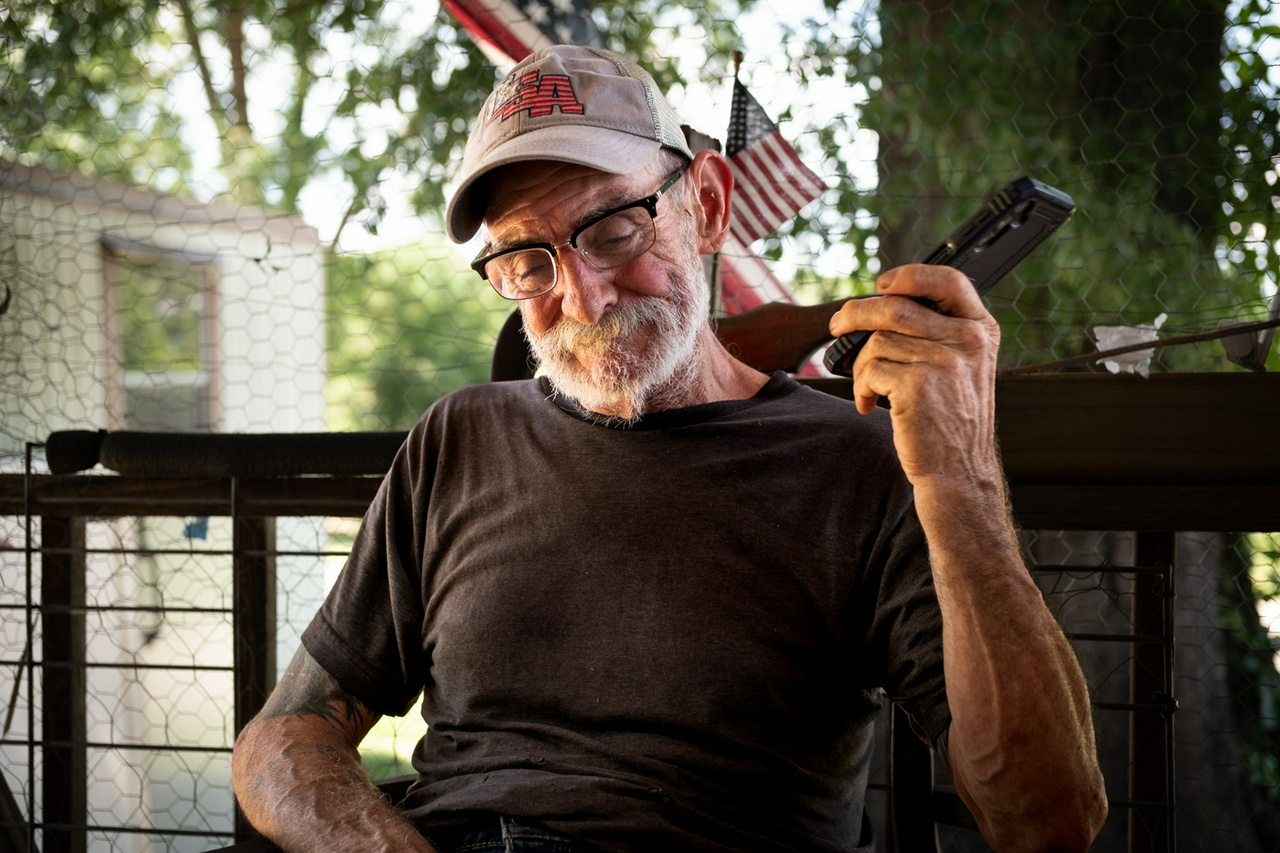
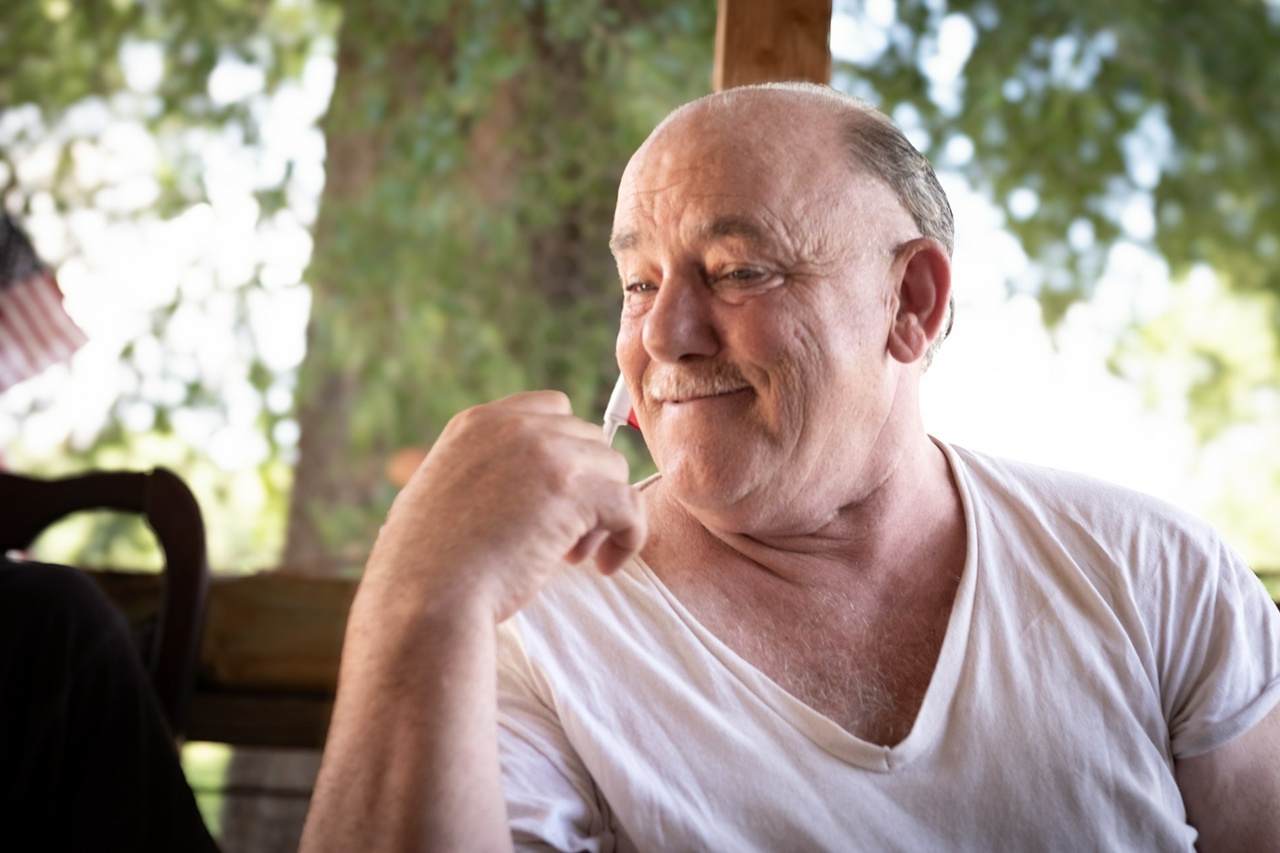
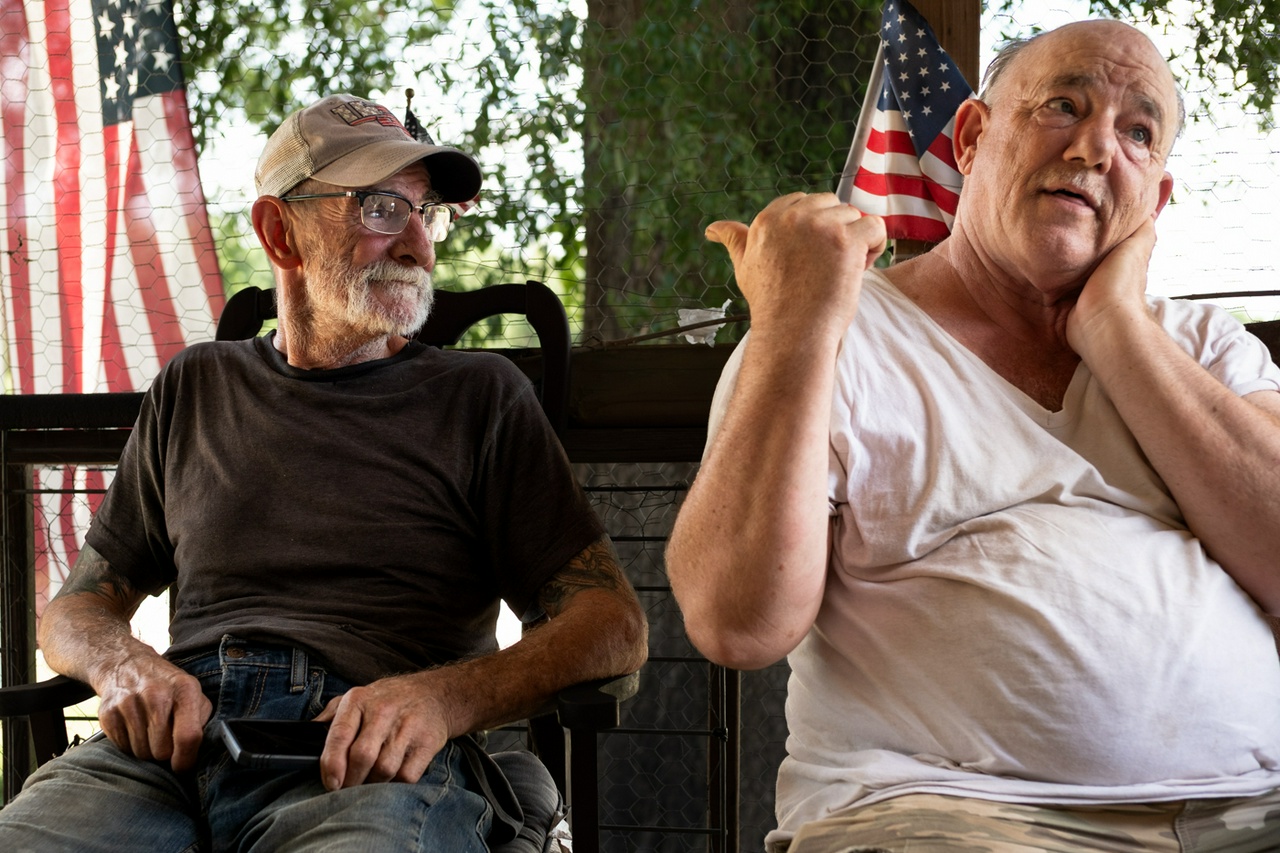
I’m going to ride around the South in an old truck, sit on tailgates, and take photographs. Out-of-the-way places and the people who live there, not big cities. Talk to folks about place. A piece each month, with a few snapshots.
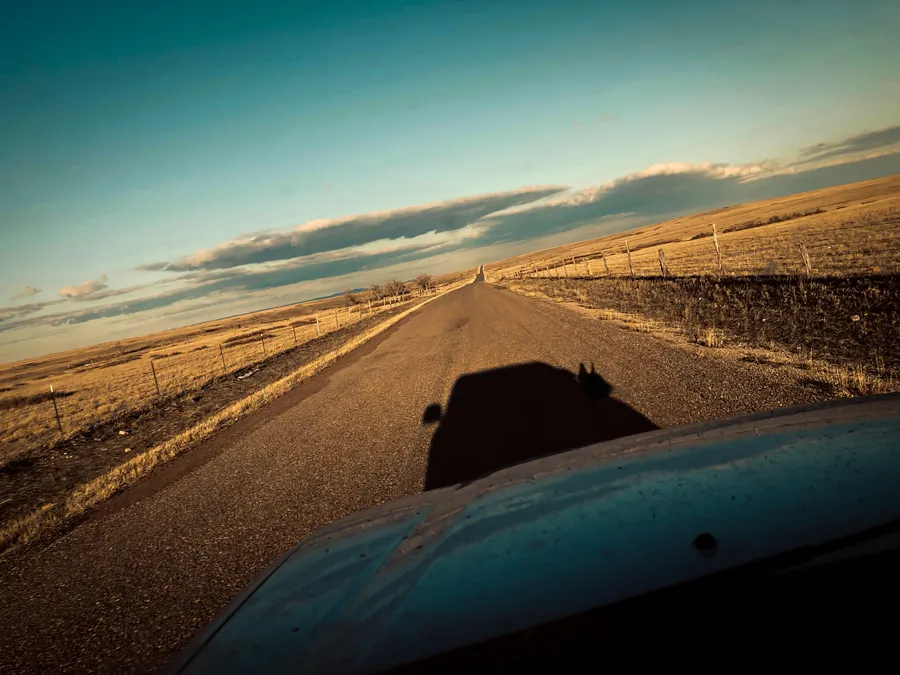
On the way back with my dog, I noticed near the Arkansas–Missouri line it became… Southern. I pulled into a 1950s style roadside hotel, the Rainbow Trout Lodge, at Mammoth Spring. In the damp evening air I heard crickets, sweet music I had forgotten all this in the snow and wind of Wyoming. I smelled honeysuckle, and behind the hotel a bank of kudzu led down to a river filled with trout.
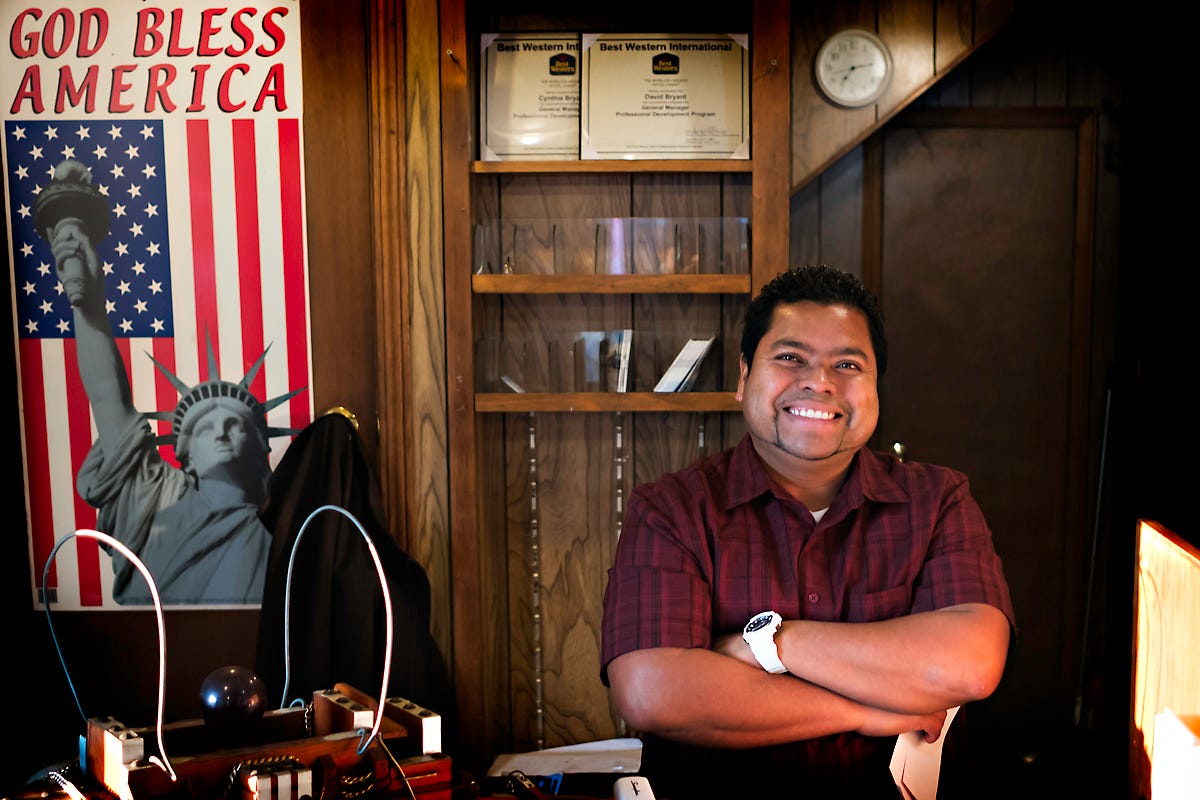
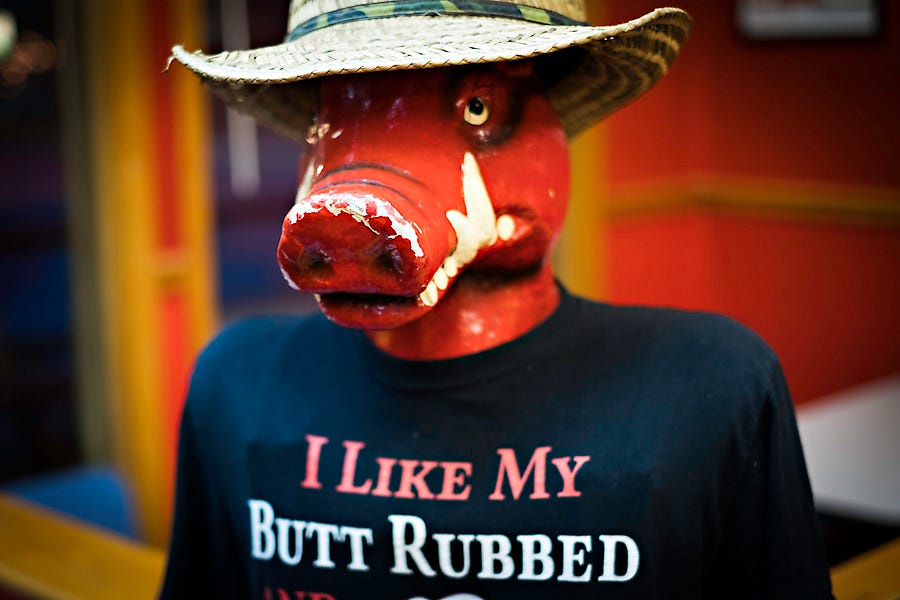
I walked across the road to a barbecue joint that served sweet tea while Lynyrd Skynyrd’s “Sweet Home Alabama” played. Their motto was “I like to get my butt rubbed,” referring to a spice rub on slow-cooked pork butts over an open pit. I noticed, however, only women wore those shirts.
Most of the rebel-flag-waving crowd don’t understand this song, which was a reply to Neil Young’s “Southern Man.” Listen carefully to the lyrics as it questions George Wallace and points to one of Alabama’s moments of truth in Birmingham in 1963, when four young girls were killed in a church bombing: “Does your conscience bother you? Tell the truth.” For many of us, yes, it does.

My mother grew up next door to Wallace in Clio, Alabama. She and her sister described him as a short little boy called “Runty” who was bullied and cried a lot, wetting his pants. His parents had him learn boxing to defend himself. Of course he became a Golden Gloves boxer and later bullied folks back on a monumental scale as governor before someone shot him and put him in a wheelchair.

While waiting on a plate of ribs I sucked sweet tea like an addict on dope, listening to Skynyrd’s words, and realized just how much the South was in me. That is why I came home. Despite my love for Wyoming, I needed to leave. For months I struggled with the decision. Both parents were gravely ill, hospice had been called in, and my workday became a barrage of calls from nurses and social workers with updates.

Then the hard question came: “Don’t you think it’s time to come home?”

I asked for two weeks off without pay. A numbing silence ensued. That made the decision for me. I had known a racist white sheriff who let Black inmates out for a week to be with dying parents. This was a different culture—all about a dollar to folks like this.

My line to the mayor of a small town was, “With no respect… fuck you and the horse you rode in on.” If I had not quit, I would have been fired after I said that, so it’s probably the best explanation for my departure. Not hard to say to a man who referred to Black folks as “darkies.” It confirmed what I had known for a while: maybe it was time to move on, pursue my passions, and stop dealing with other folks’ problems.

My day job had been director of planning in Wyoming for a town and county. Not the best job, but it was doing a good thing protecting a community’ reaching culture, state benefits and it let me see the places I wanted to photograph.

Wyoming is the least populated state in the nation for good reason. My woman, while visiting—she refused to move there—remarked that Arby’s had the best coffee in town.

I’m a cowman, seven generations in my blood, so a place with a lot of cattle worked for me. I had rented a small house in a feedlot operation. Reflecting on that fact, it’s a wonder she even came to visit. A ranch hand vividly described swarms of black flies in summer that took two layers of screening on the windows to keep out.

My woman likes to garden and lounge around nude as God made her, sipping mint juleps on summer evenings. The stench of cow shit and biting black flies in hot Wyoming summers held little appeal. I had thought she could wear a beekeeping suit, but that idea didn’t fly.

Wyoming is… unusual. Author Annie Proulx wrote of a bizarre landscape and culture where the ground opened up and swallowed people. From what I observed, November to April was eroded rock outcroppings cracking in a freeze-thaw cycle, with blizzards and wicked winds that never stopped. Graves were dug with jackhammers. In some communities they just kept the dead in a freezer and had a mass burial after the spring thaw.

In most places that have hard winters there is skiing, hockey, snowmobiles, ice skating, and coffeehouses. Not there. People sat at home and stared out windows. I asked a local doctor, a fellow Auburn graduate, about winters. “Well, a lot of cabin fever and suicides. Depression is the big thing here. But there is always spring”

I realized, in the depth of that winter reviewing my photos, that almost every photograph I have ever taken was an effort to understand and define the American landscape—mostly the cultural landscape, as J.B. Jackson would define it. That’s what I write about, think about, and photograph. My year in Wyoming only sharpened that instinct.

I’ve had this idea in my head that won’t go away. Despite the notion that humans shape the land and imprint their will upon it, the land really shapes us—how we think, how we live, and the culture we construct—far more than we give it credit for. My photographs and drawings seek to explore this hidden influence.

I think my short tenure as a sworn officer / investigator in law enforcement also gave me the idea to write this column. In one case I learned of an inmate held off the books in a county jail, waiting for a trial for a decade. It was hard to believe when the local newspaper had never heard of him. But when I knocked on his mother’s door and interviewed her, the story of Kharon Davis got out. It became known as one of the worst delayed trials in modern American memory.

That taught me the most interesting people are often the ones we never know about. The thinly disguised ad-monsters called “newspapers” rarely listen to the disenfranchised, the misunderstood, or the rural poor. But it is with these people that the real truth about a place is found.

Headed back to the South, I am ready to face a hidden landscape: moonshiners on remote creeks, mobile meth labs in plain sight, inmates starved into plea deals, a preacher who believes the Garden of Eden is in Edwin, Alabama, Bigfoot hunters prowling the banks of the Choctawhatchee River with night-vision gear and drones.

People say the South is a different world from the rest of America. But the real question ...why.

Feel free to subscribe and follow along.

POSTED BY JON
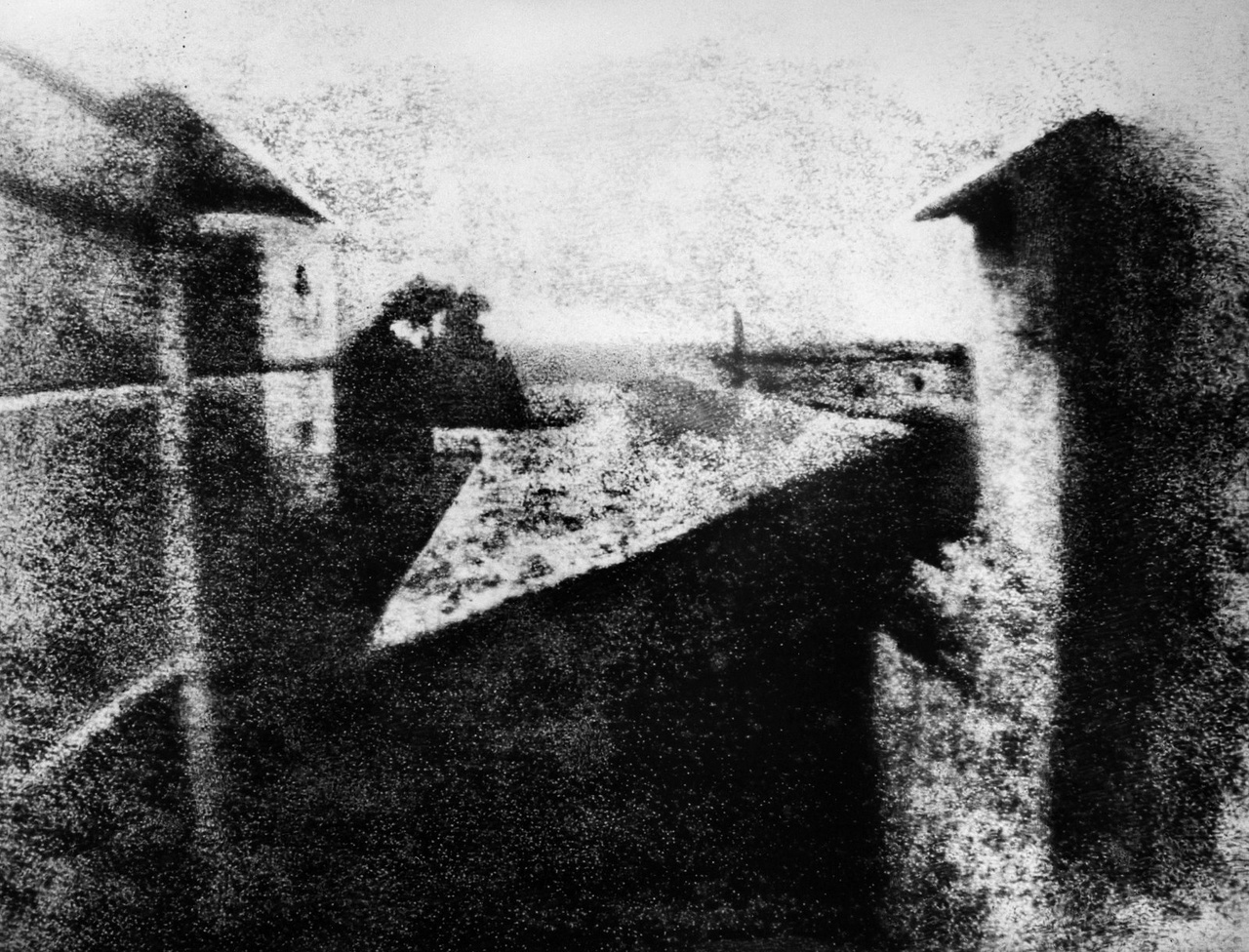
This is the first photograph ever made. Captured using a process called 'Heliography' by Nicéphore Niépce. He coated a pewter plate with bitumen (a type of asphalt) that hardened when exposed to light. The unhardened parts were washed away with lavender oil.

POSTED BY JON

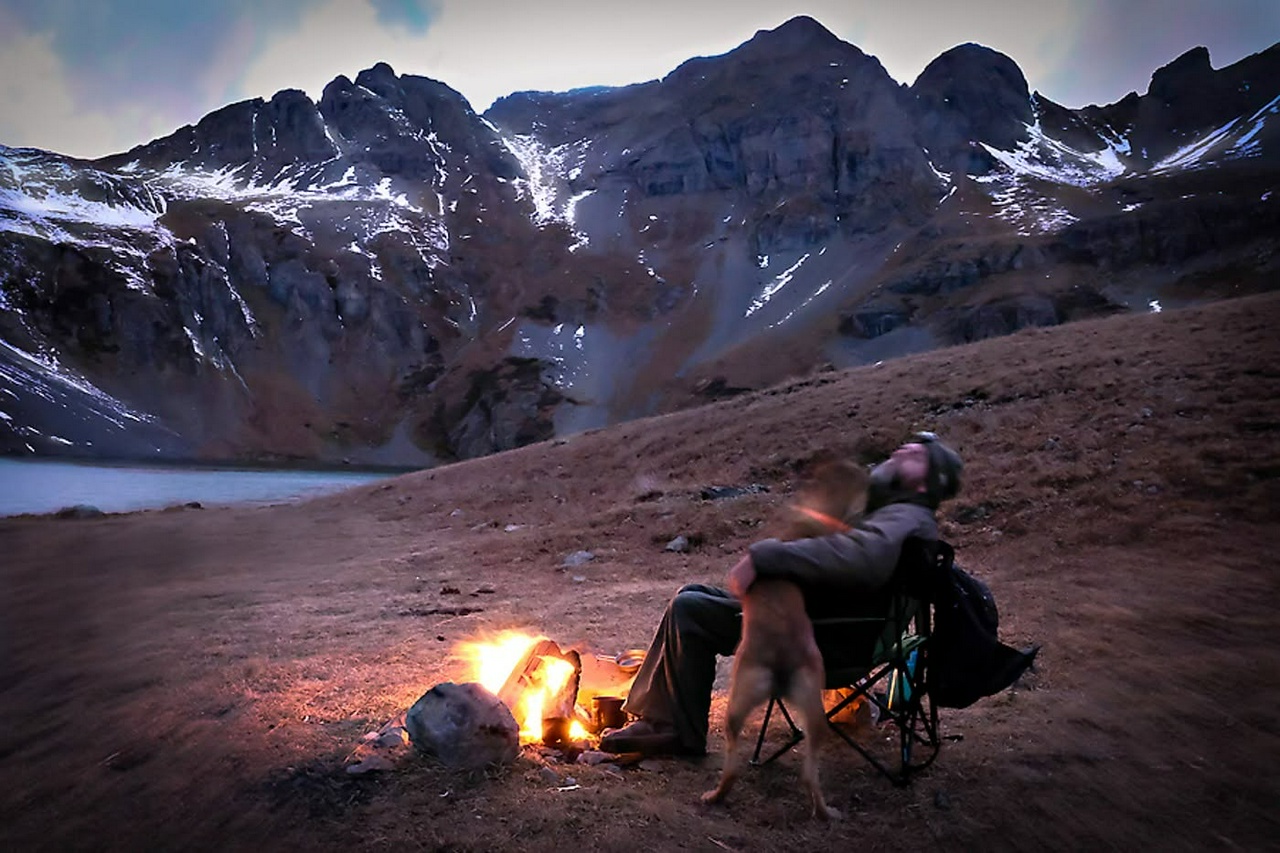
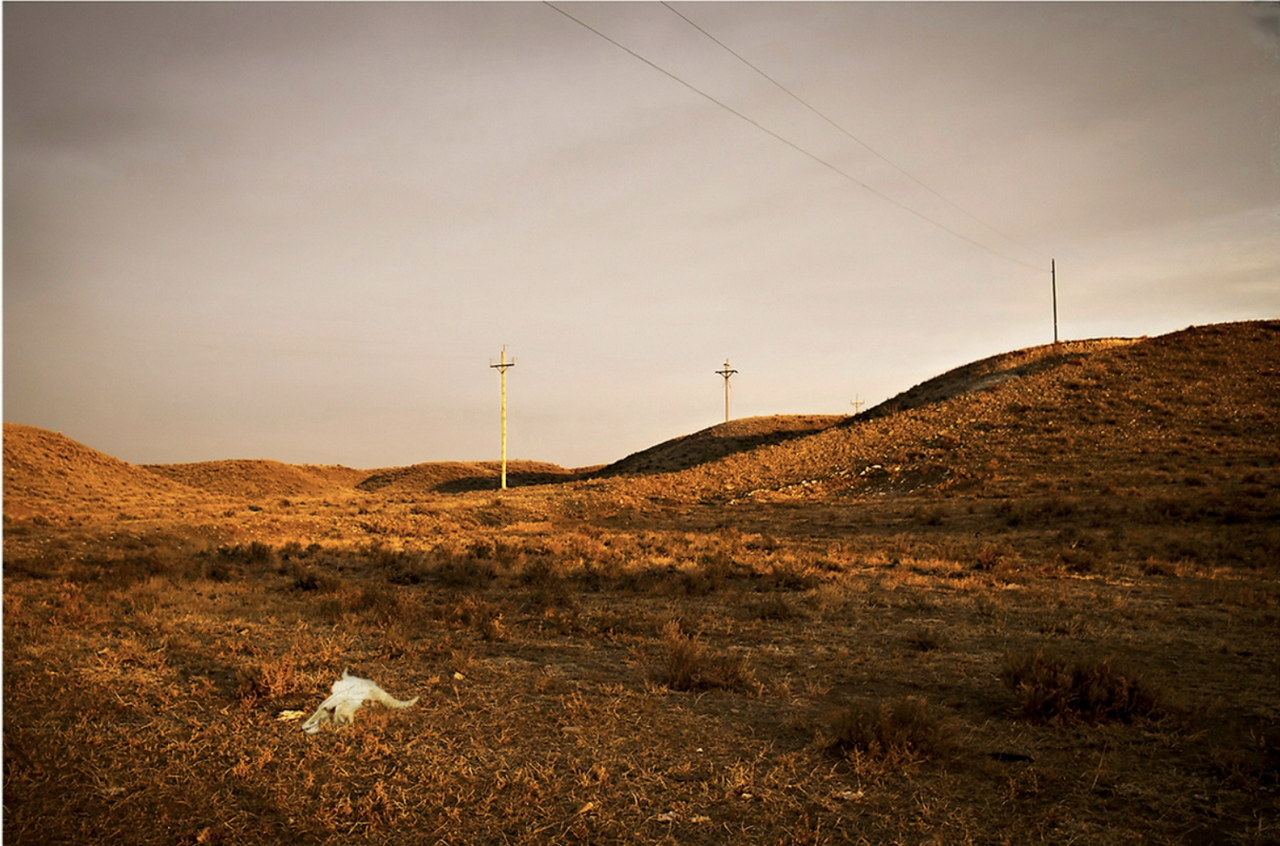
San Juan County, Colorado

POSTED BY JON

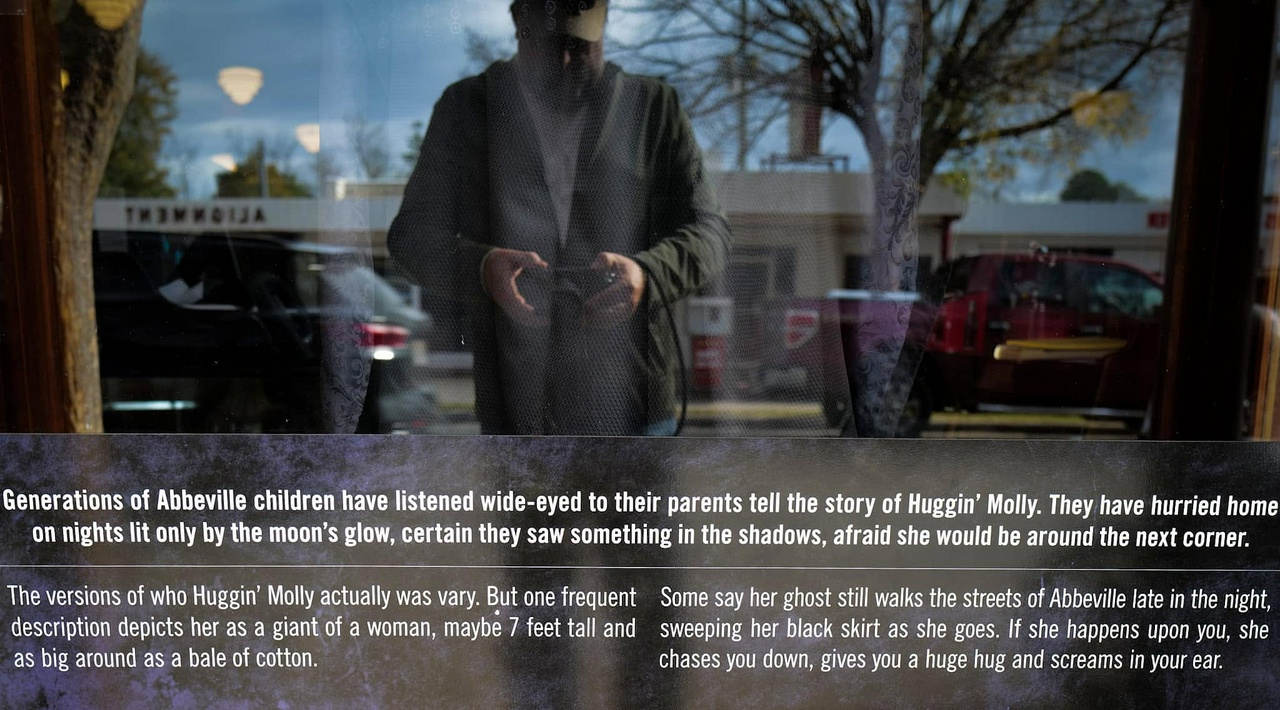
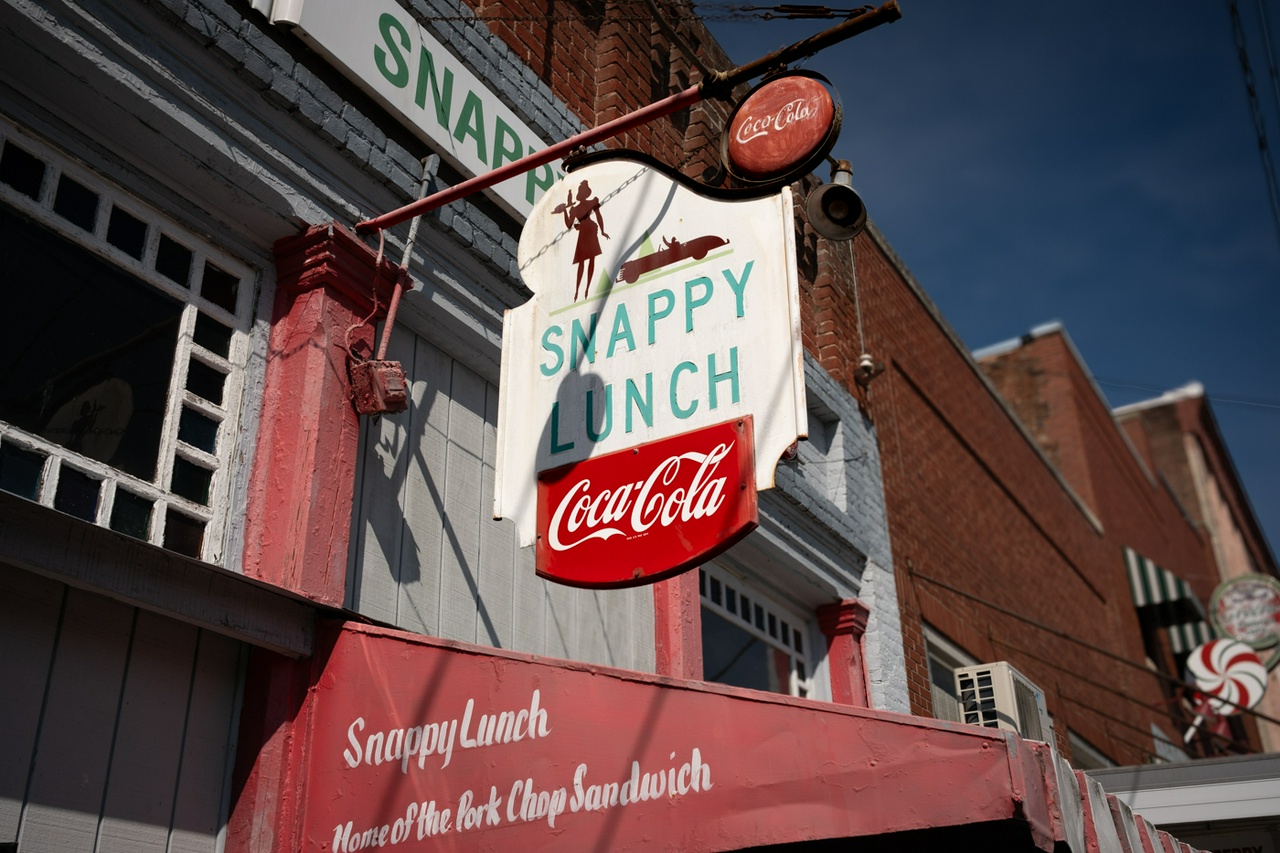
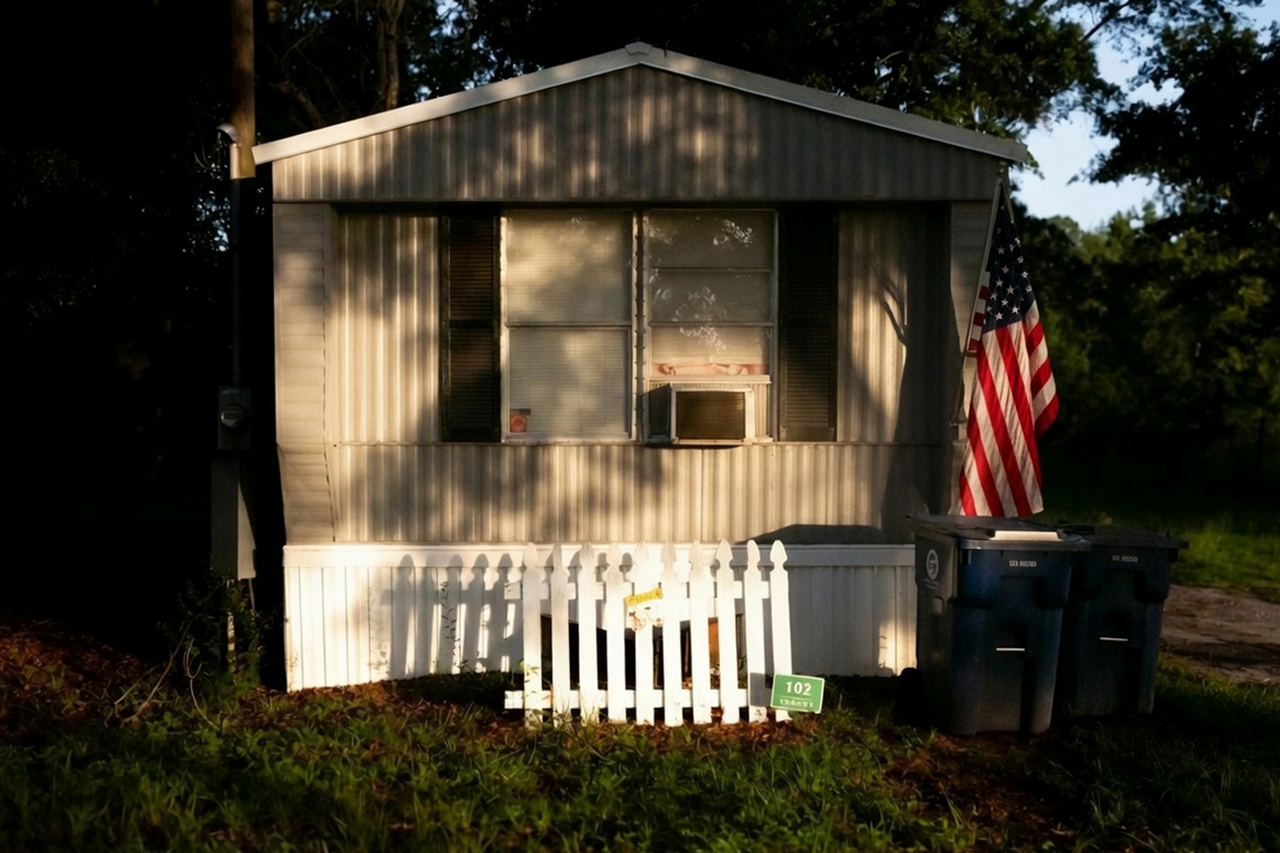
Abbeville, Alabama

POSTED BY JON

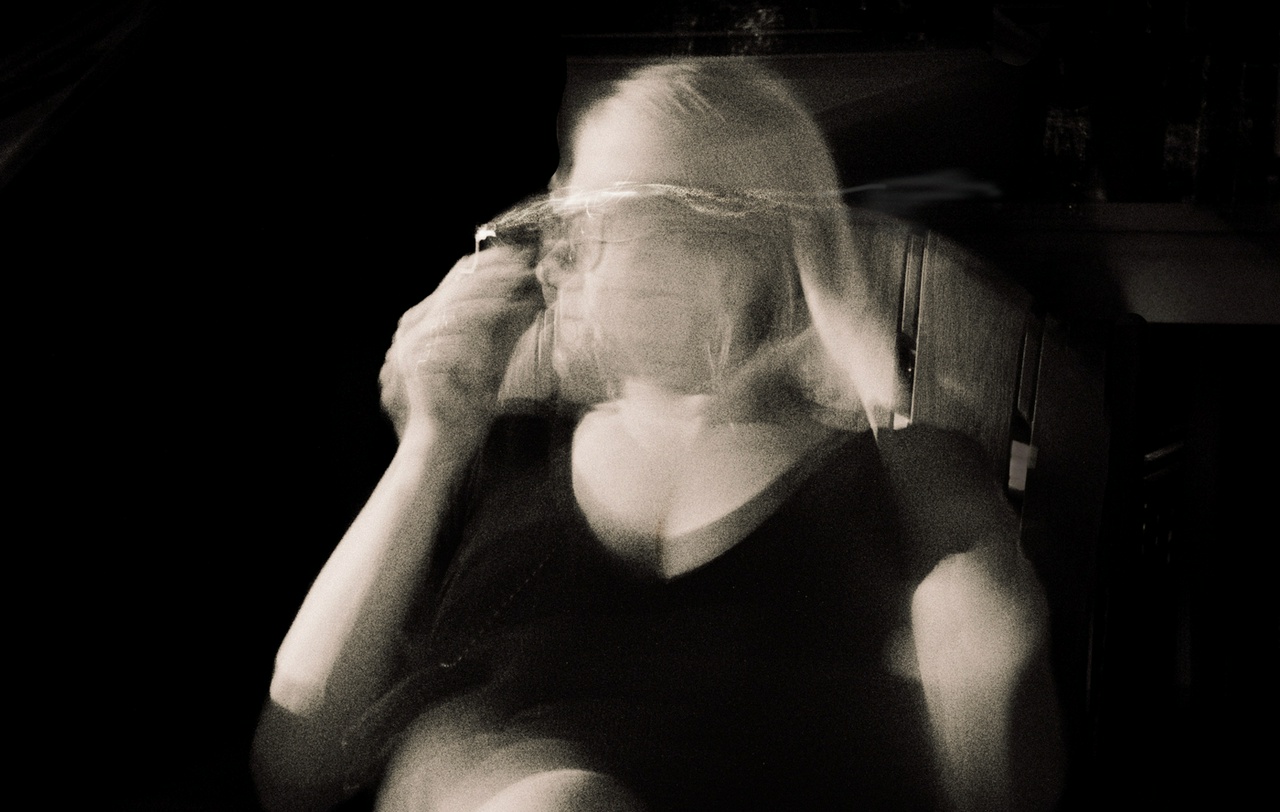
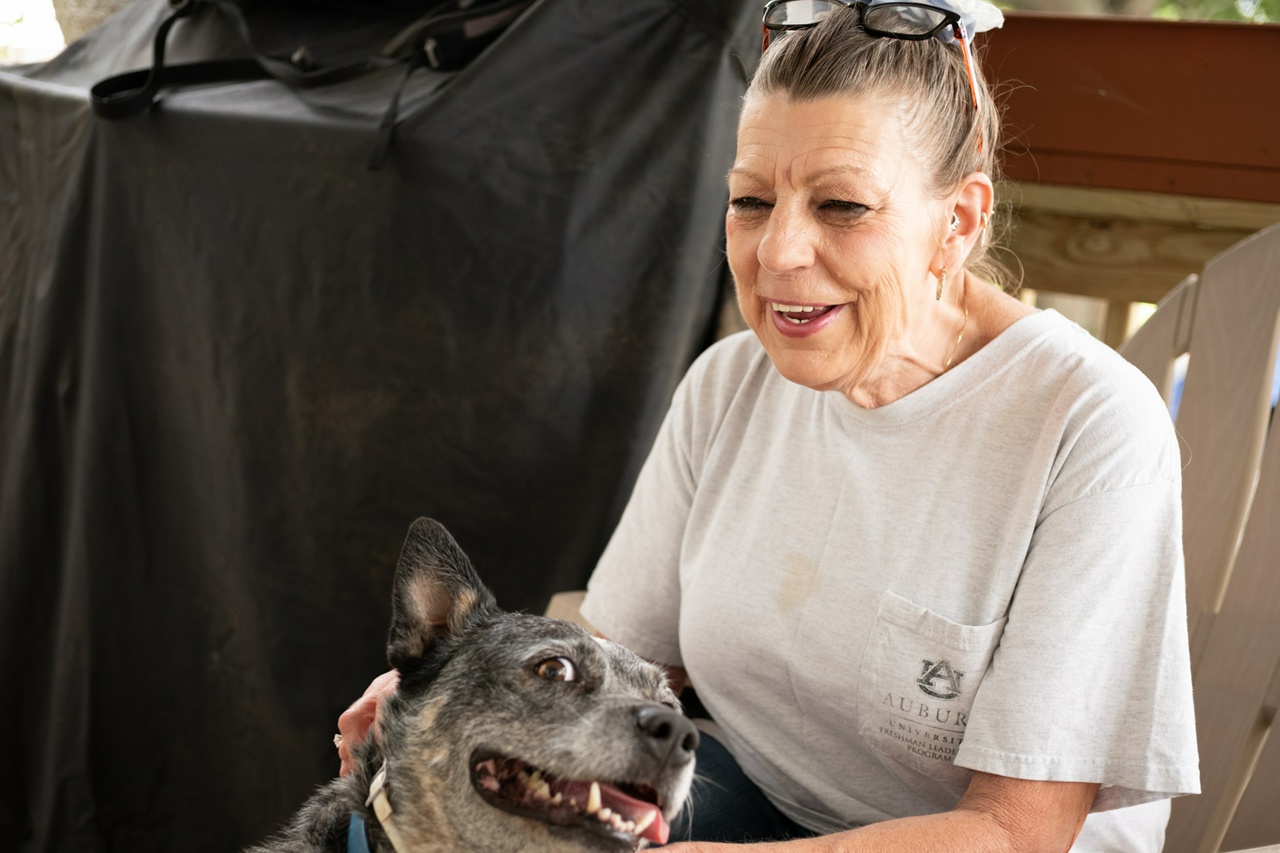
My friend Audrey

POSTED BY JON

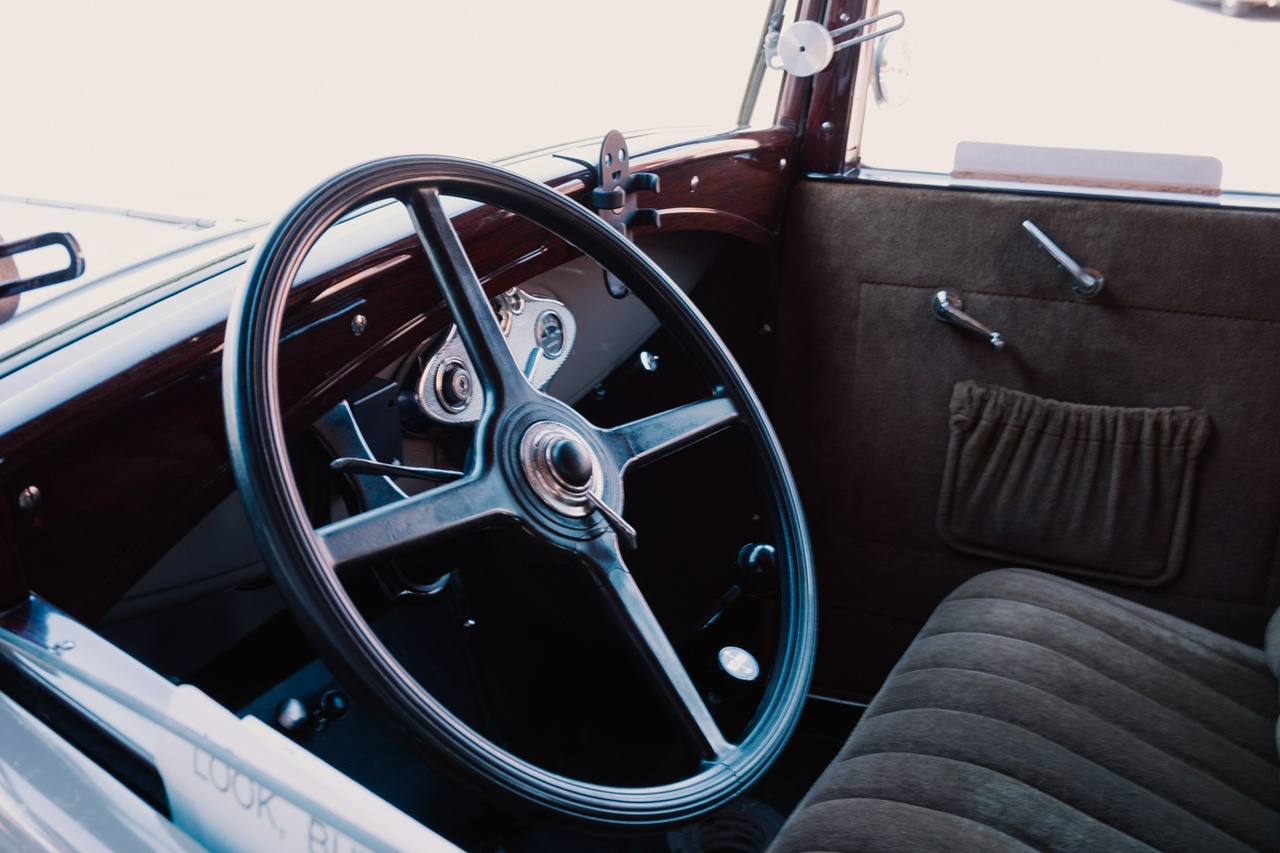
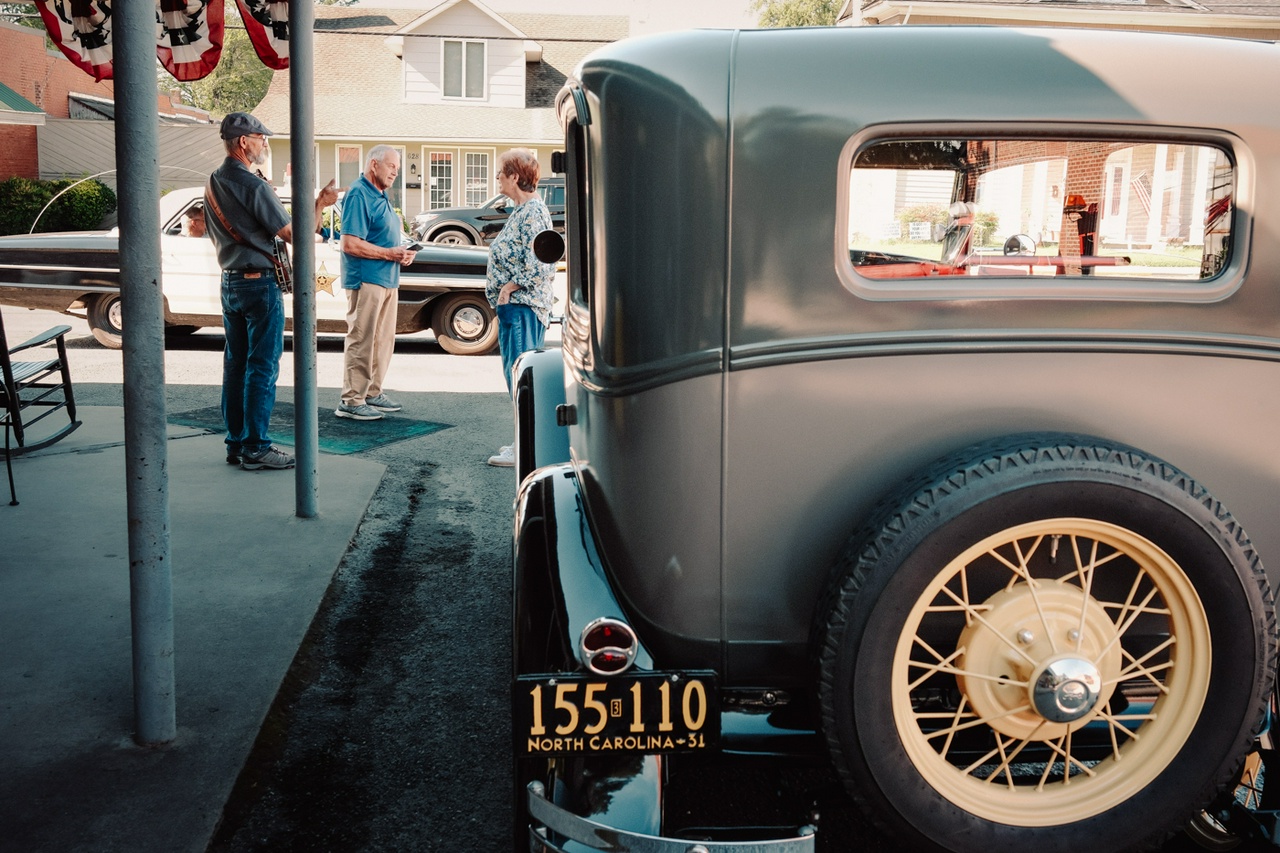
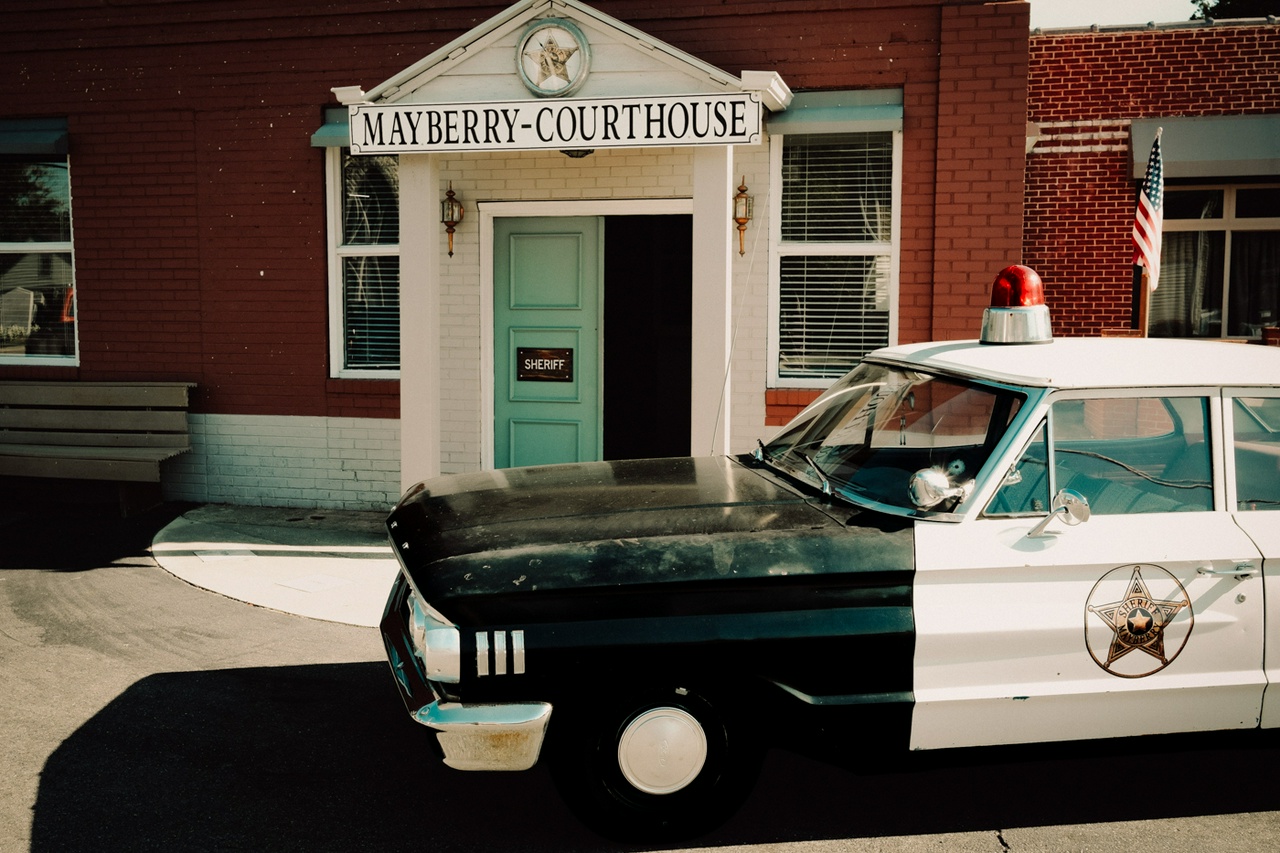
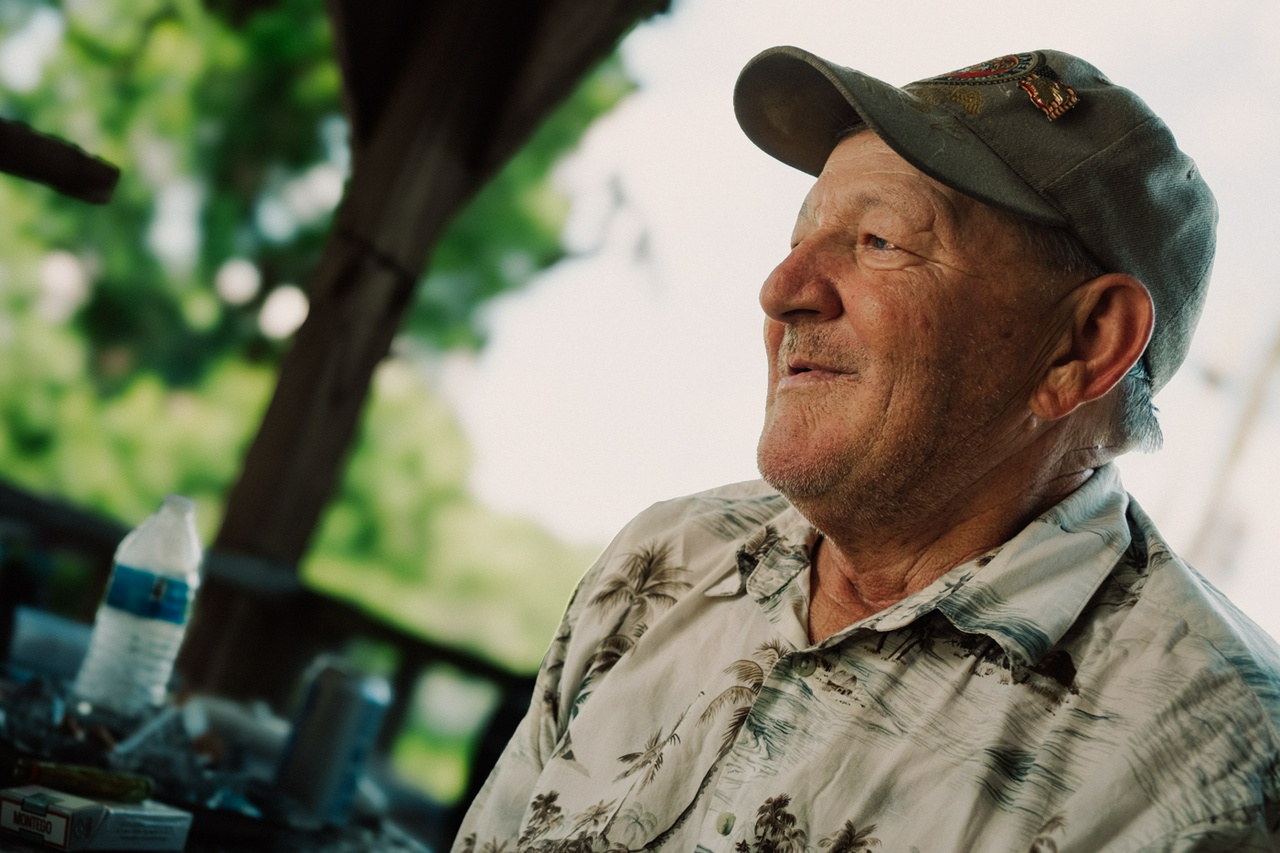
Mt. Airy (Mayberry), North Carolina

POSTED BY JON

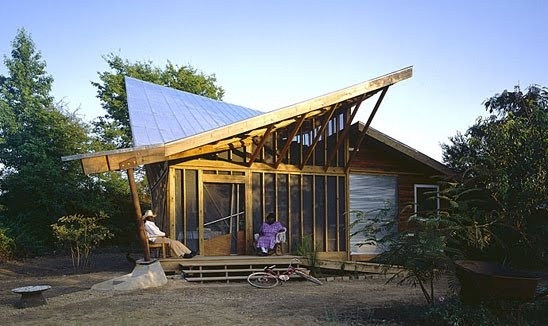
Anderson and Ora Lee Harris' home in Hale County, Alabama
People and Place Matter

“ The professional challenge, whether one is an architect in the rural American South or elsewhere in the world, is how to avoid being so stunned by the power of modern technology and economic affluence that one does not lose sight of the fact that people and place matter.”

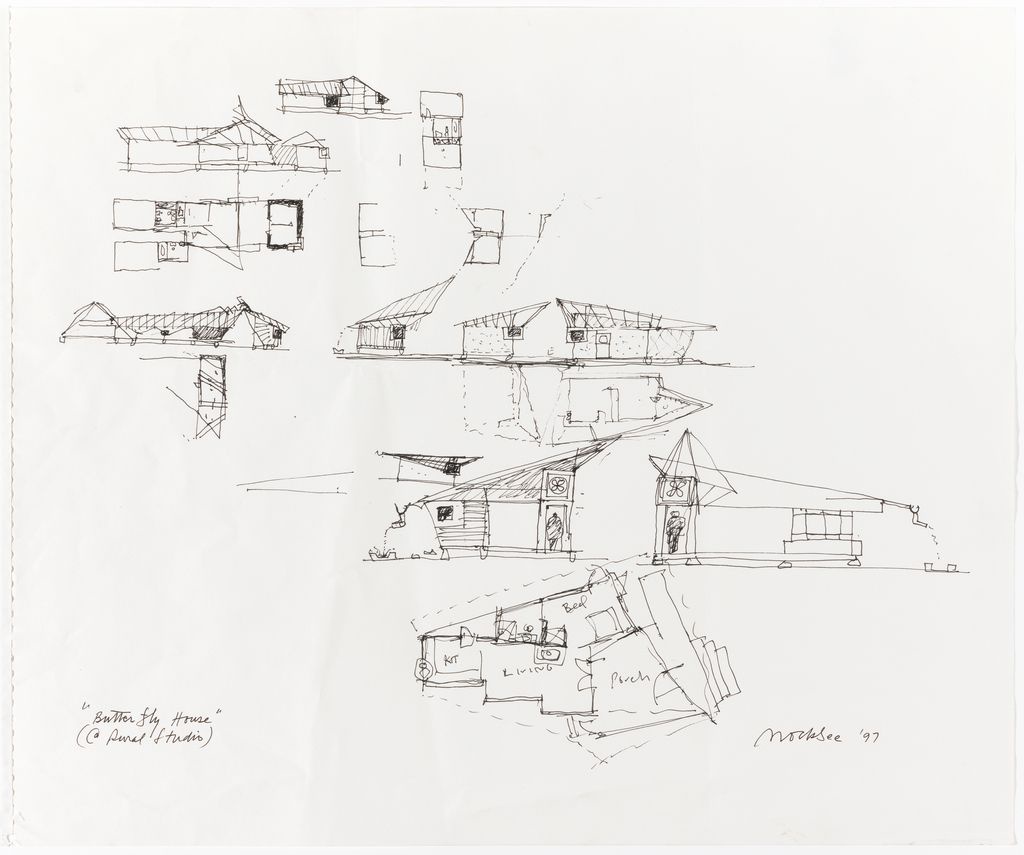
“ For me, drawing and painting are the initial influences for the making of architecture. The sketch is always out front. It sees ahead and deeper into what is already on the paper.”

“ The initial sketch is always an emotion, not a concept. In the beginning, it is important to allow the imagination to move freely without any influence from a preconceived form. It’s a mark that suggests the possibility of an idea. For me, it’s the act of drawing that allows the hand to come into accord with the heart. When that happens, there comes a moment when the marks of the sketch — it can be a pen mark or a computer mark — utter the first deeper knowledge of what will come later. “ – Sambo Mockbee

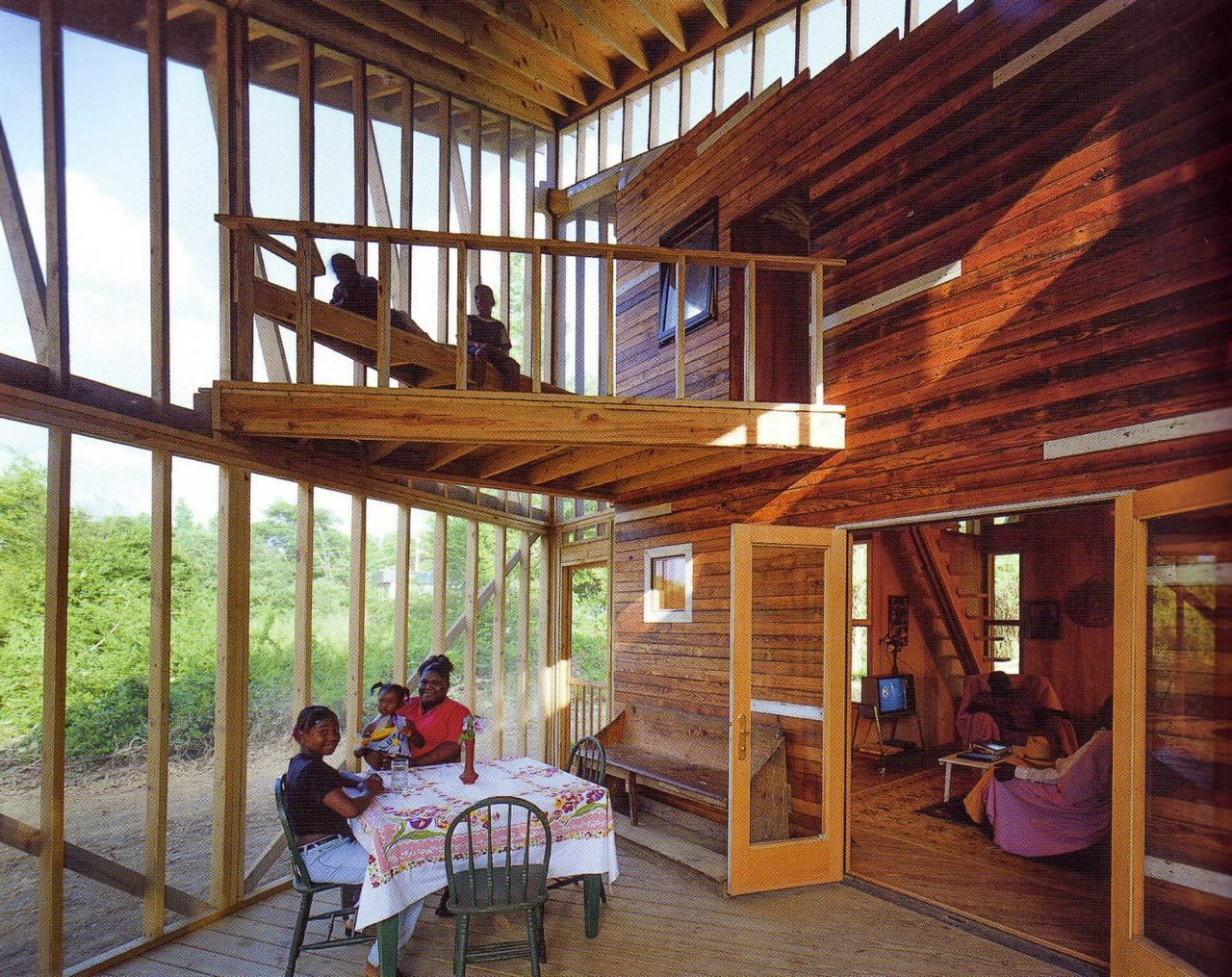
Professor Mockbee spent hours helping me with my graduate thesis, and we had long conversations about W. E. B. Du Bois’s The Souls of Black Folk. He convinced me to study the communities that freed people built in rural Alabama after emancipation. He and I were from this place and knew there was a hidden cultural landscape, unstudied and undocumented. When I got to spend a week working with Professor Sambo Mockbee at Auburn’s Rural Studio. Made in part from scrap materials, the Butterfly House, as it came to be known, I learned what is possible when it comes to affordable housing. Rooted in place, not commodity-driven, beyond building codes: home. I have not continued what Mockbee showed us, nor have others. Truth be told, none of us under his influence have equaled his level of work. Nor have the professors who followed him. Good work has certainly been done at Auburn. But Sambo reached deeply into the spirit of the people and the place—rural Alabama—and somehow those dreams, myths, and layered history expressed themselves in form.

But I remember a candid conversation with Sambo that still haunts me. He could not actually design and build the things he wanted and make a living. This is why he started teaching. Poor people and communities that need what architecture cannot afford it. My response was to move to Aspen, Colorado, and work for one of the more noted design firms, where clients often did not have a budget. I had shared some of that work with him and was full of myself and proud of it. In a phone call shortly before he died, he told me to come back and finish my graduate thesis while he and Jack Williams were at Auburn. “ What you’re doing is…your being a housepet for the rich. ” He was right. I gave two weeks’ notice the next day. Ultimately this put me on the path to using my camera to study what was meaningful.

The thing I will remember most about Sambo Mockbee is his dreams were bigger than our shared reality. What made him different was that he made them reality. Three decades later I still hear Sambo’s words in my head:

” Everyone, rich or poor, deserves shelter for the soul. “

I will dream and follow Mockbee’s process.

To learn more about Sambo Mockbee visit his family’s web site. View the documentary Citizen Architect

All images courtesy of the Mockbee family.

POSTED BY JON

Wheatland, Wyoming

POSTED BY JON

Wills Cross Roads, Alabama

POSTED BY JON

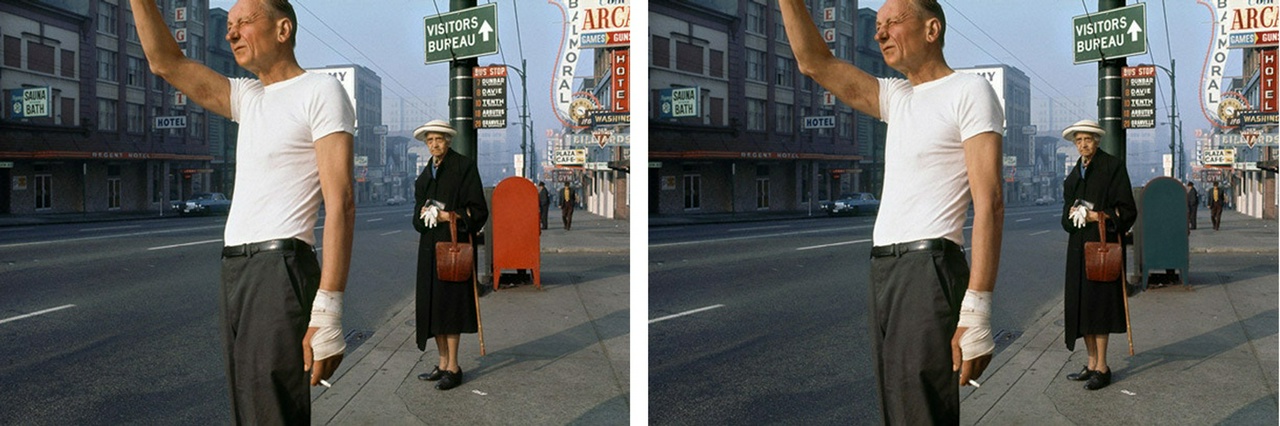
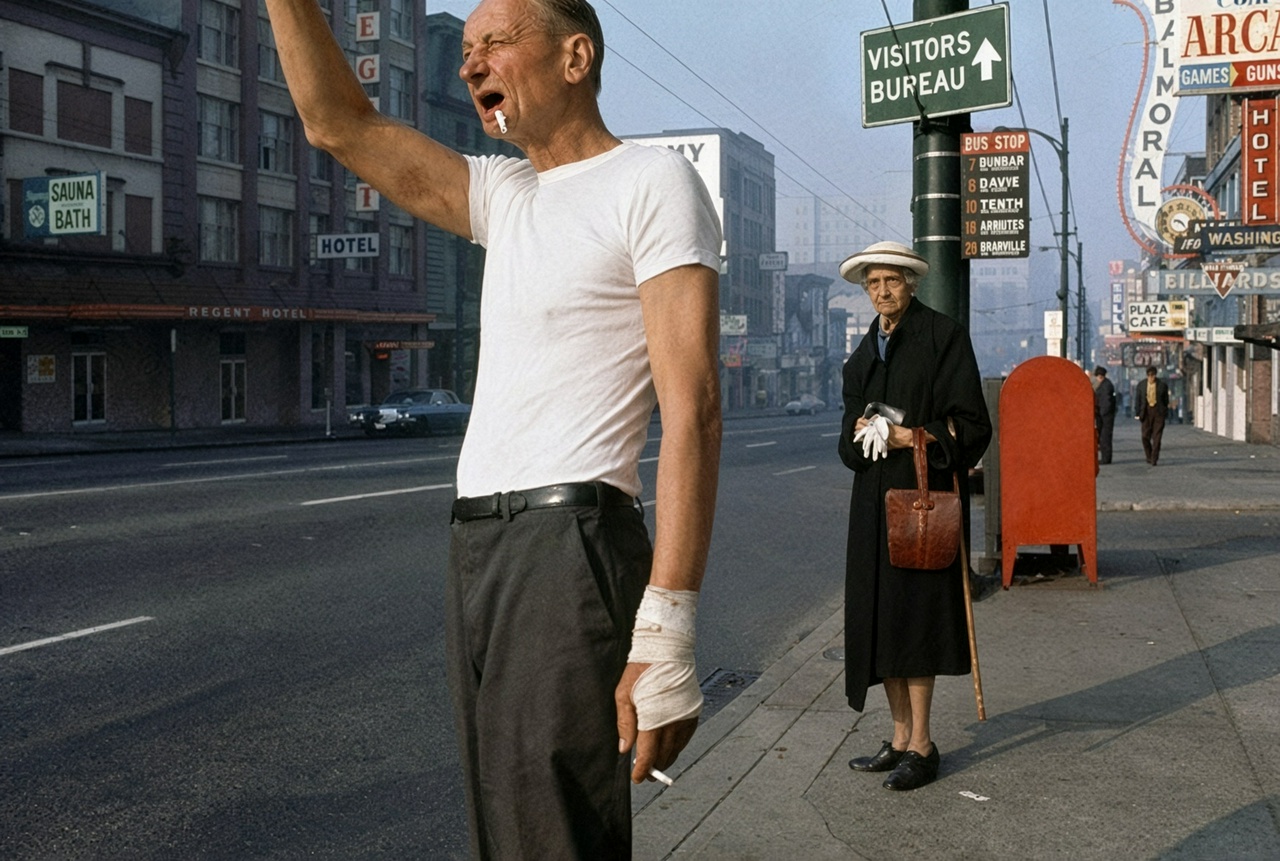
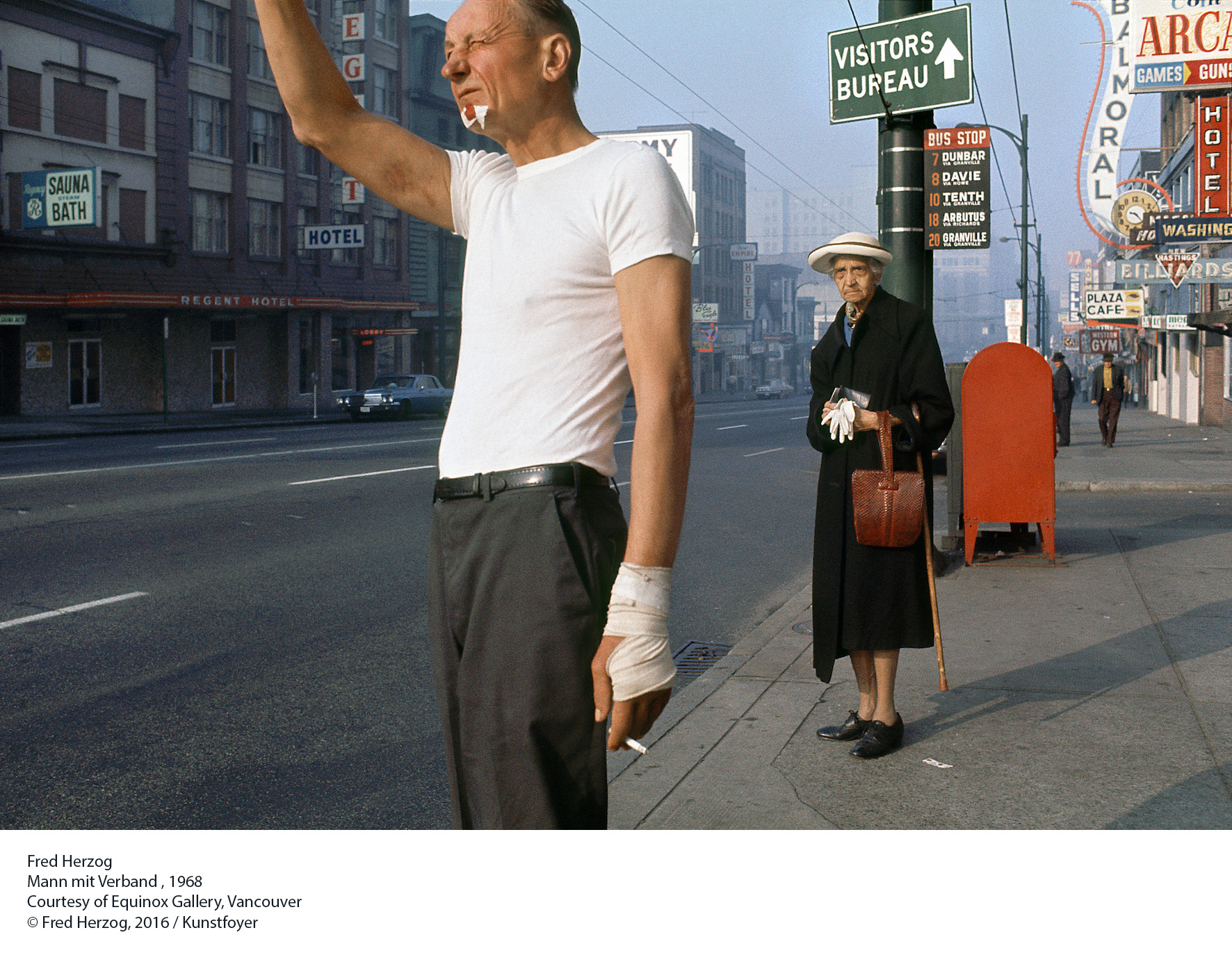
Fred Herzog, Man with Bandage, 1968 Courtesy Equinox Gallery and Estate of Fred Herzog. Modified to remove bandage on face and mailbox changed from red to blue. Link to original
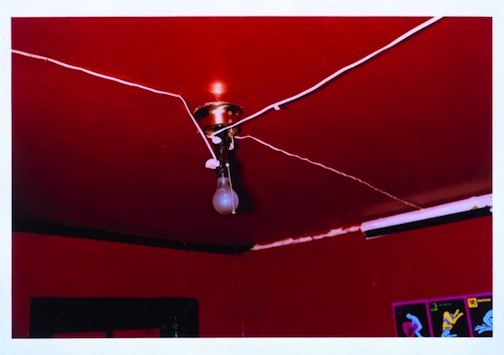
Thoughts on the color red. In Aperture No. 260 there is an interesting article on the color red by Steven Shore (Shore, 2025). Using a modified version of Fred Herzog’s photograph, Shore describes how a painter can choose the shade of red they want. They can choose not to use color at all. They can place it where they want on the canvas in relation to the other colors they have chosen. Shore references William Eggleston discussing the color red but does not share all of what he said, so I looked it up. Below Eggleston discusses red while talking about his famous 1973 photograph Greenwood, Mississippi (usually called The Red Ceiling):

* Eggleston, W. (1973) Greenwood, Mississippi [dye transfer print]. Commonly known as The Red Ceiling.*
“The photograph was like a Bach exercise for me because I knew that red was the most difficult color to work with. A little red is usually enough, but to work with an entire red surface was a challenge. It was hard to do. I don’t know of any totally red pictures, except in advertising. The photograph is still powerful. It shocks you every time.” (Eggleston, 1992, p. 28)

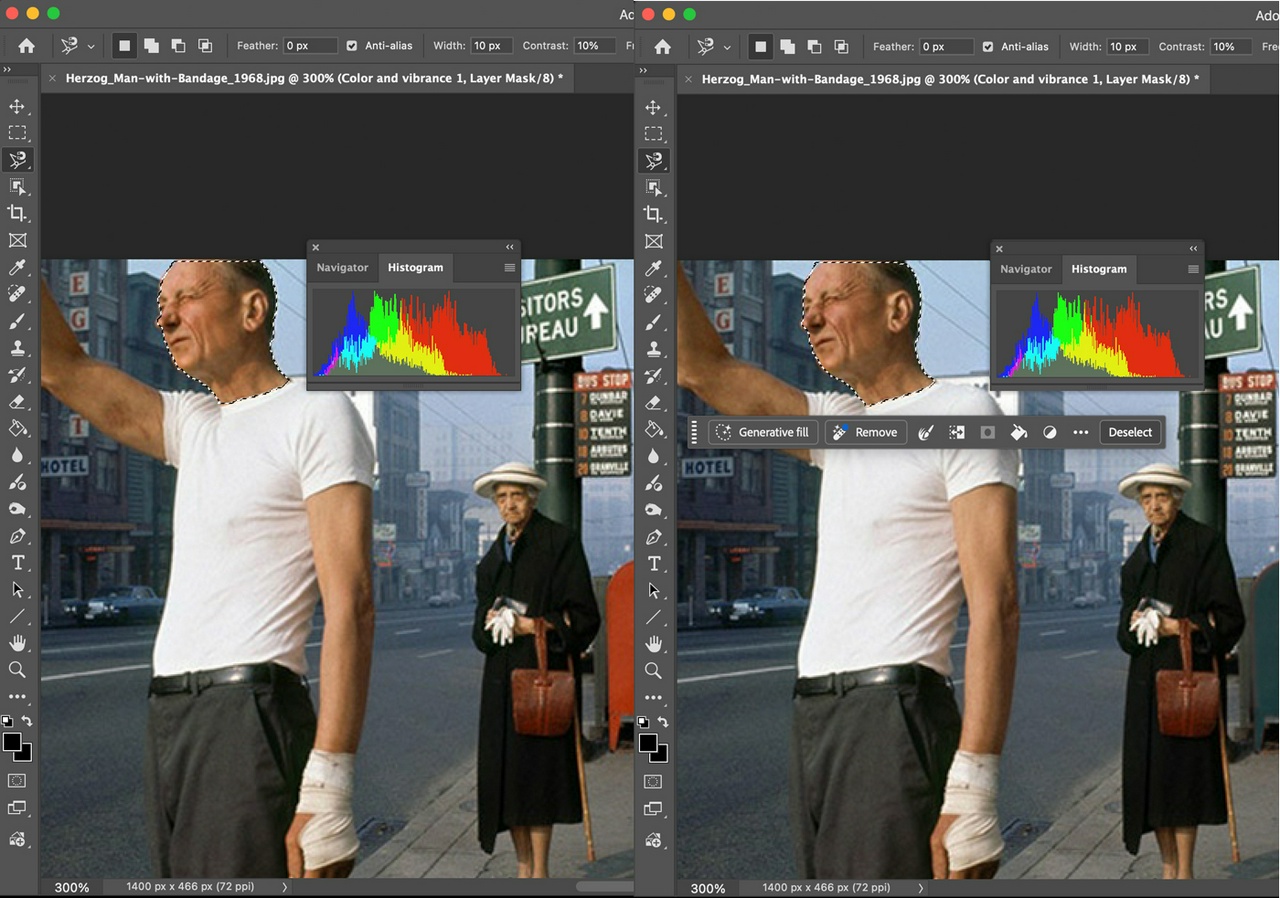
Shore is interested in what red does to the picture as an object—how it clips on film, goes flat, refuses to sit in space. Looking at his two Herzogs, I noticed something else. Red changes how we read an object it does not touch. The man’s face looks more focused when the mailbox is red than when it is navy blue. The two faces have the same exposure. Once you know that, they still do not look the same. The red seems to pull the eye and, with it, to change how we read the face: sharper, more present, more “correctly” exposed. Red stands out, and everything near it is judged in its light.

Then I looked closely in photoshop. See below.

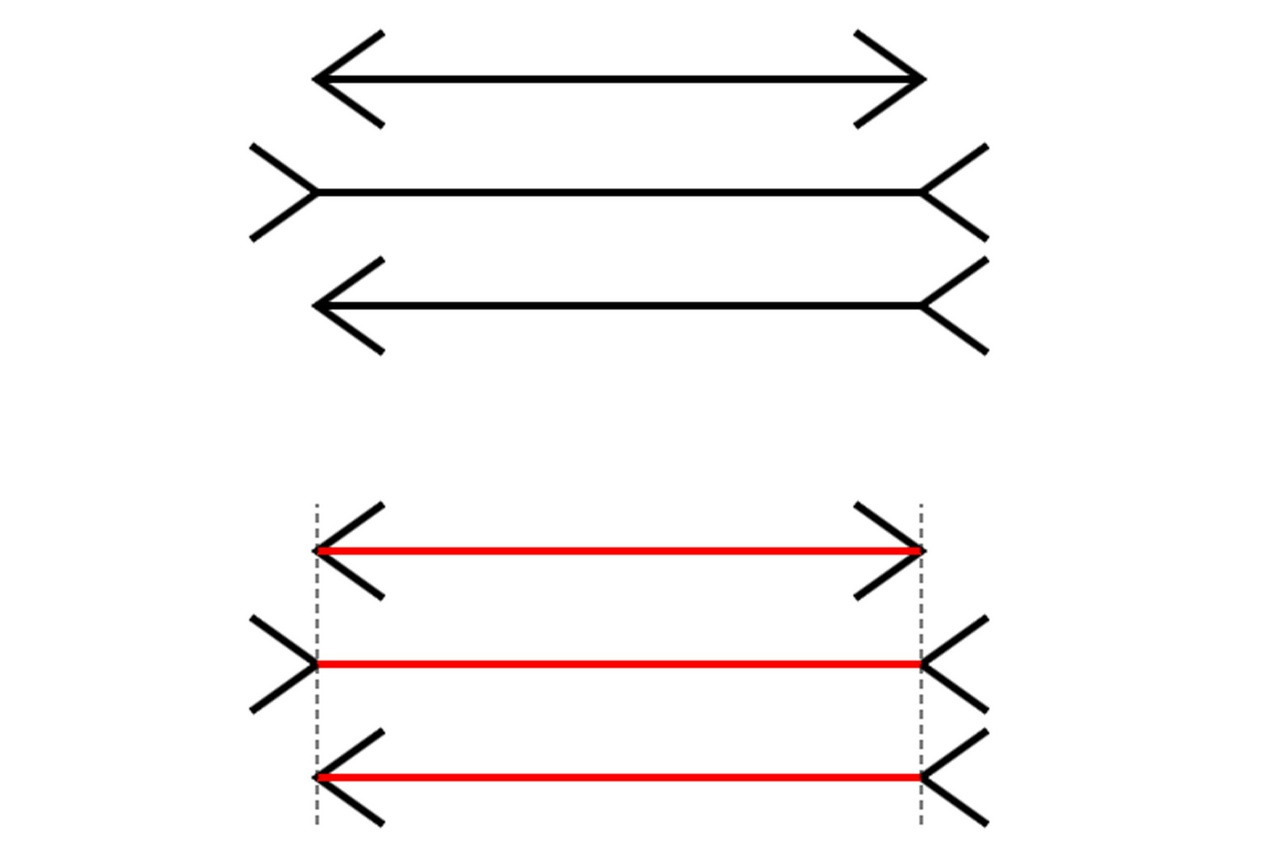
We already know that shape can trick perception. Müller-Lyer lines of equal length do not look equal; a classic illusion is enough to prove the point.

The first diagram our eye is tricked into perceiving the middle line as being longest when in fact the second diagram proves it is not
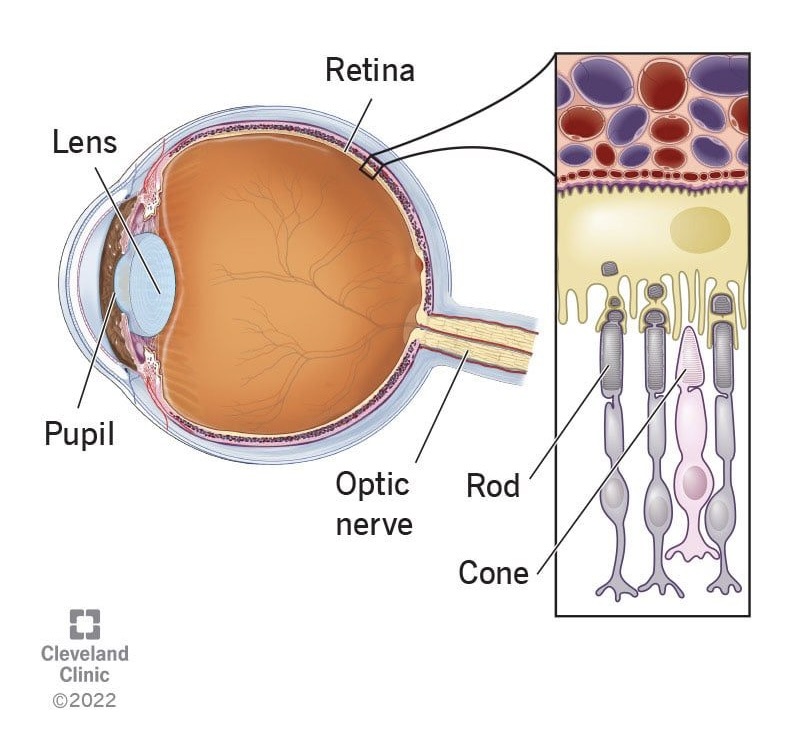
What I have not seen discussed as often is how a color can alter our sense of an unrelated object in the same frame—not by touching its pixels, but by focusing attention. Josef Albers comes close in his theory of the Interaction of Color – simultaneous contrast, spreading, color constancy, and the way a strong hue steals attention and recalibrates everything next to it (Albers, 1963). Color is not what it appears to be. The mailbox is not red. The metal absorbs most wavelengths of light and reflects others; those reflected wavelengths reach the retina, where three types of cones register them, and the brain names the result “red.” We photograph surfaces. We see light (photons) that never entered them.

In architecture school, Cheryl E. Morgan, FAIA, taught color as a tool for creating a feeling and orienting focus. She shared an evolutionary story: we notice red first because it was the color of the open mouths of the animals that hunted us, and the people who did not see it in time did not survive. Whether or not that particular origin is accurate, the design lesson is. Color can aim the eye. The stop sign is the everyday proof. It is not merely painted; it is placed so that red interrupts whatever else you were looking at and tells you where to look next. That is what happens in Herzog’s picture. But the mailbox is not the subject. The man is. But red behaves like a stop sign inside the frame. It claims the first look, then sends the second look to the face—and the face, receiving that second look, seems better seen than the identical face beside a blue box. I’ll repeat my hypothesis – color can alter our sense of an unrelated object in the same frame.

Painters can decide whether red will do that work. Photographers only decide whether to include the red that is already there. But Herzog’s photo asks another question. Are we using color in other areas of a composition and not even knowing it. This idea is worth exploring further. As it is my understanding of how we perceive color and why certain colors change our thoughts. Shore is right about the painter and photographer difference. What I don't know and now question is are photographers unknowingly using color to alter perceptions of unrelated objects in our compositions. To be continued.

Notes:

Albers, J. (1963) Interaction of Color. New Haven: Yale University Press.

Shore, S. (2025) ‘Stephen Shore on the Color Red’, Aperture, no. 260 (Fall). Available at: https://aperture.org/editorial/stephen-shore-on-the-color-red/ (Accessed: 18 September 2026).

Eggleston, W. (1992) Ancient and Modern. New York: Random House, p. 28.

POSTED BY JON

Enter your email to subscribe to updates.